

Marshall Hawkins
Marshall Hawkins (1910-1988) was born in Lynchburg, Virginia and began his career with a brownie box camera photographing landscapes and gardens throughout Virginia. He did not begin capturing the Virginia equestrian scene until 1939 when he became acquainted with Mary Elizabeth Whitney who owned a large horse farm in Upperville, Virginia. That meeting altered the trajectory of his photographic career.
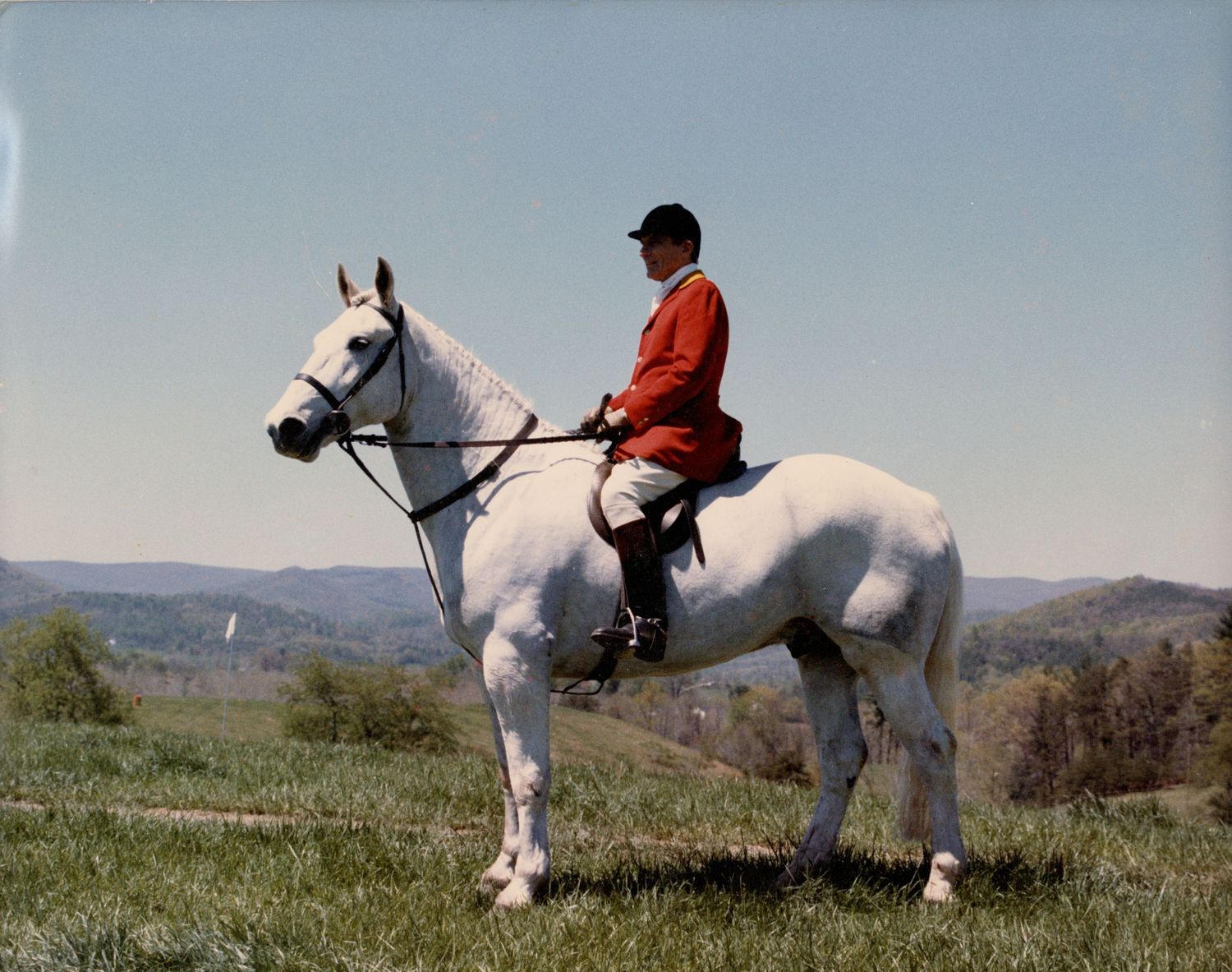
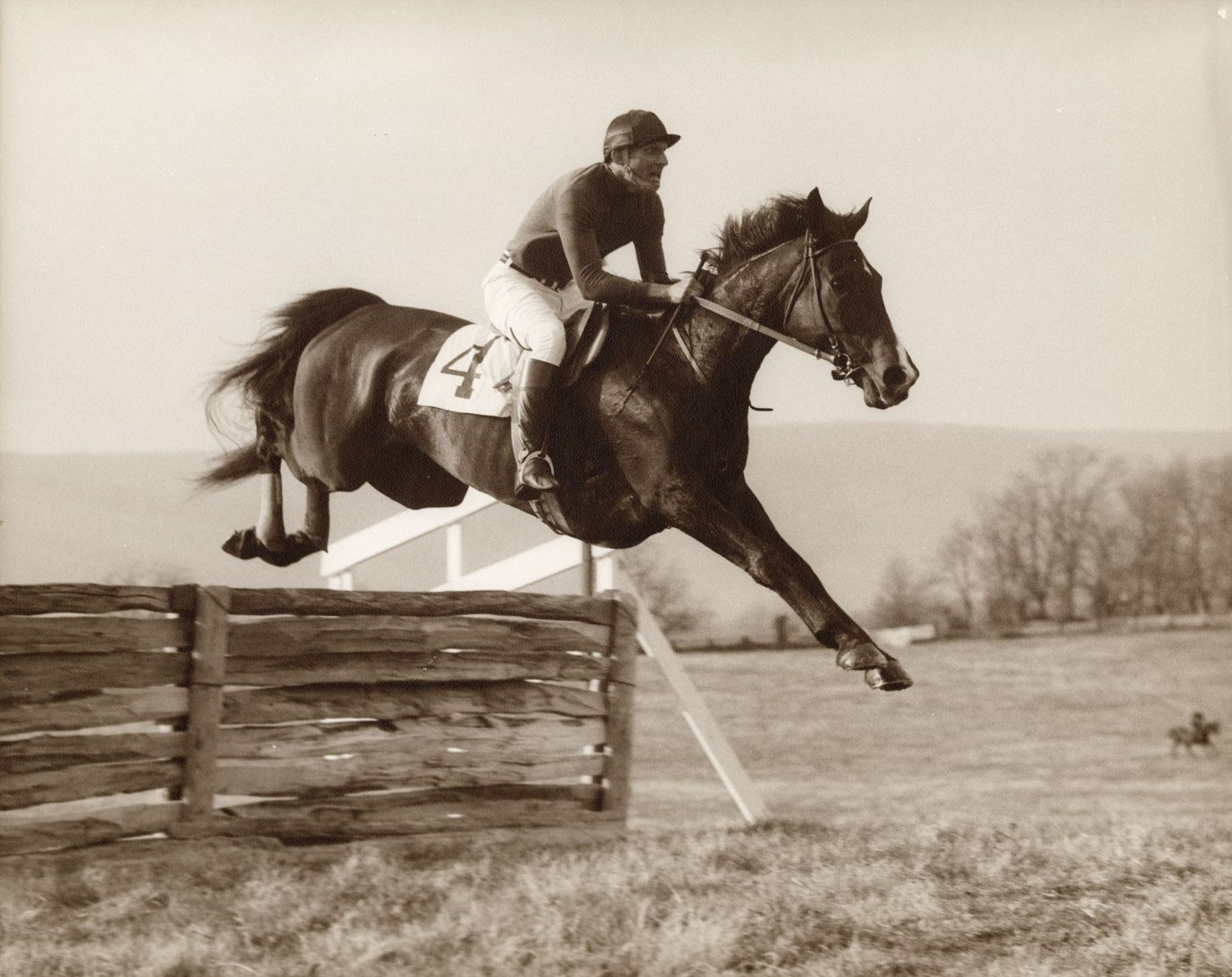
From then on, spanning over half a century, Hawkins' work captured the quintessential Virginia sporting lifestyle; from the rolling hills of the Blue Ridge Mountains to the picturesque farms of southern Virginia, he captured countless images of the many different fox hunts, horse shows and steeplechase races throughout the years. After a day of following the fox hunt field, he would race back to his studio to develop the film and create prints. After loading up his car with the prints, he would drive to the local farms to sell copies of the images from that day's hunt. Although Virginia was certainly the center of his attention, he also photographed hunts and horse shows up and down the East Coast and throughout the Midwest. He was also an ever-present fixture at the Preakness Stakes held each May at Pimlico racetrack in Maryland. Hawkins documents several of the incredible triple crown winners, such as Citation in 1948 and Secretariat in 1973.
Hawkins' work was frequently seen in local publications, as well as The Chronicle of the Horse, Spur, and Maryland Horse. One of his most famous images, capturing First Lady Jacqueline Kennedy falling off a horse over a jump while out hunting, was sold for $3,500 to Life Magazine, where it was shown on the cover.
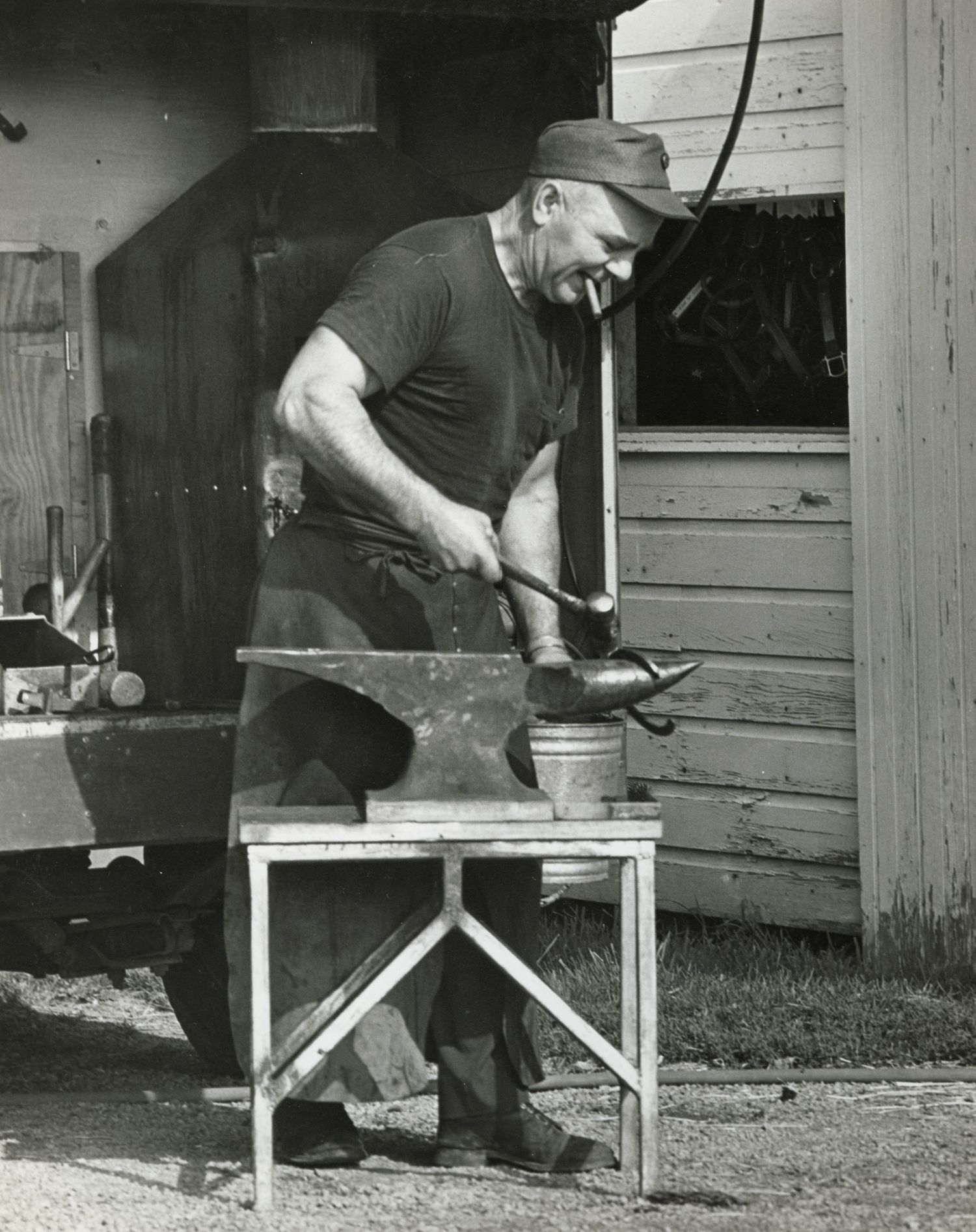
Although Hawkins is certainly most well known for his equestrian and sporting images, he also documented the social scene throughout central and northern Virginia photographing weddings, political events, social events, graduations, family portraits, as well as candid street photographs, which were well within Marshall Hawkins’ realm of proficiency. He photographed many notable people at events in the Middleburg, Virginia landscape, such as President Reagan, Jacqueline Kennedy, Senator John Warner, and Elizabeth Taylor. His work truly gives us a clear view into life on the East Coast in the mid to late 1900s.


Hawkins as an Artist
Marshall Hawkins work should be viewed not only as sporting photography or documentary but also as fine art. Hawkins keen eye for color, composition and timing creates captivating images that draw the viewers eye. Hawkins was able to capture the beauty of the country side, the speed of the racehorse and the sporting lifestyle through strategic compositions and incredible skill.
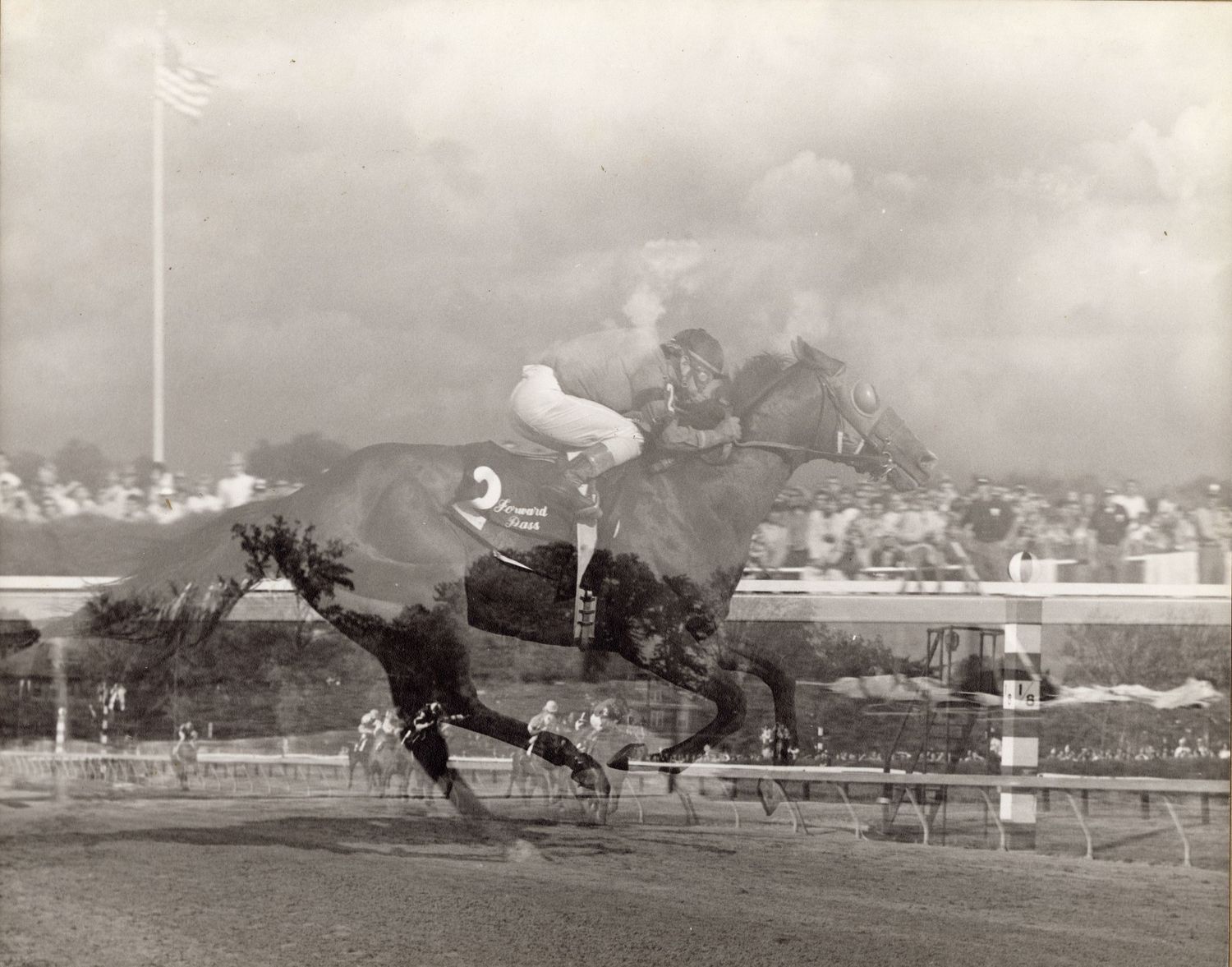
Hawkins was as much an artist as he was a photographer. He skillfully created beautiful double exposures during the Preakness such as this double exposure of the racehorse, Forward Pass, winner of the 1968 Preakness.

Hawkins also enjoyed editing his images in the dark room to create backgrounds and skies that he felt were more suited for the image. Notably are his images of Secretariat from the 1973 Preakness where he removed distractions in the background and on the track to pull all the viewer's focus onto the horse and rider.


Another notable edit is in his photograph of the racehorses Damascus and Fort Marcy during the Washington DC International Turf Race. Hawkins produced several different versions of the image, removing the spectators in the background as well as changing and tinting the sky in several versions.


Hand Tinting
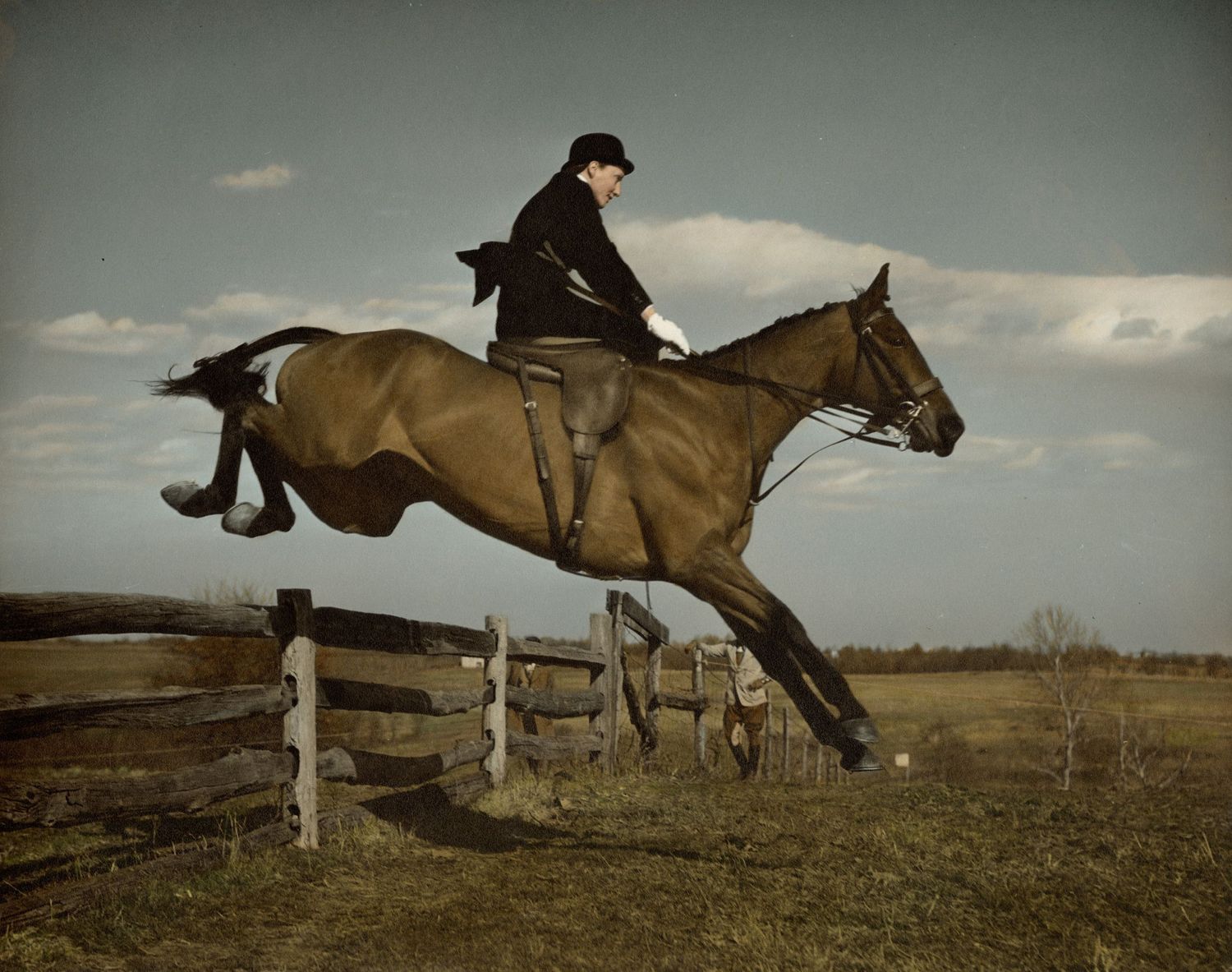
Many of Marshall Hawkins early prints were hand tinted by his wife Lucille. This process involved painting the image with color pigments to add or enhance the color in an image.


